حمّل القصص مجاناً وابدأ مغامرتك مع طفلك الآن!

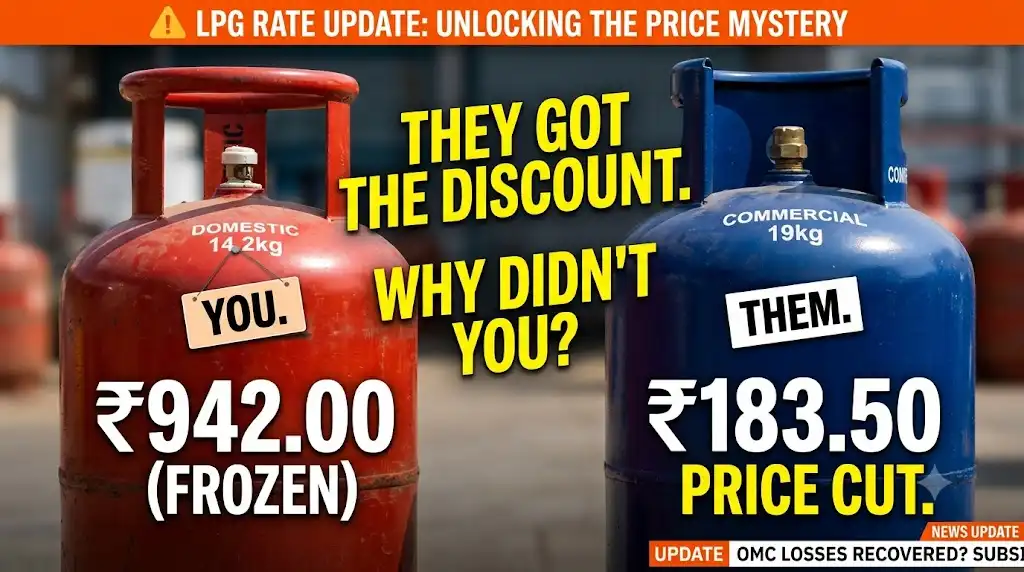
Your local halwai just got a ₹183 discount on his cooking gas today. You? You’re still paying exactly the same.
On July 1, state-owned Oil Marketing Companies (OMCs) slashed the price of the 19-kg commercial LPG cylinder by a massive ₹183.50. In Delhi, that brings the commercial rate down to ₹2,930, marking the first major price relief for restaurants, hotels, and caterers this year.
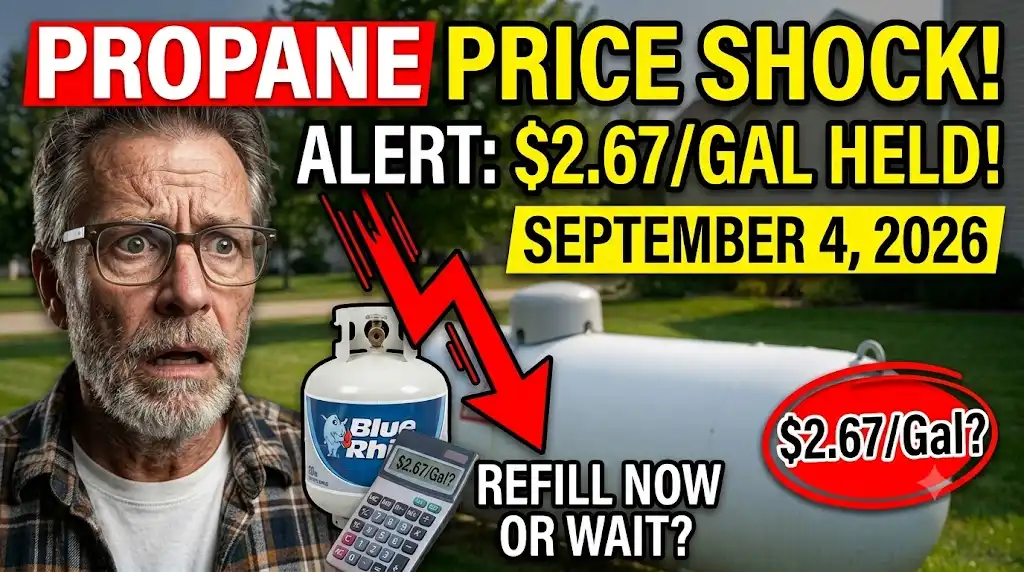
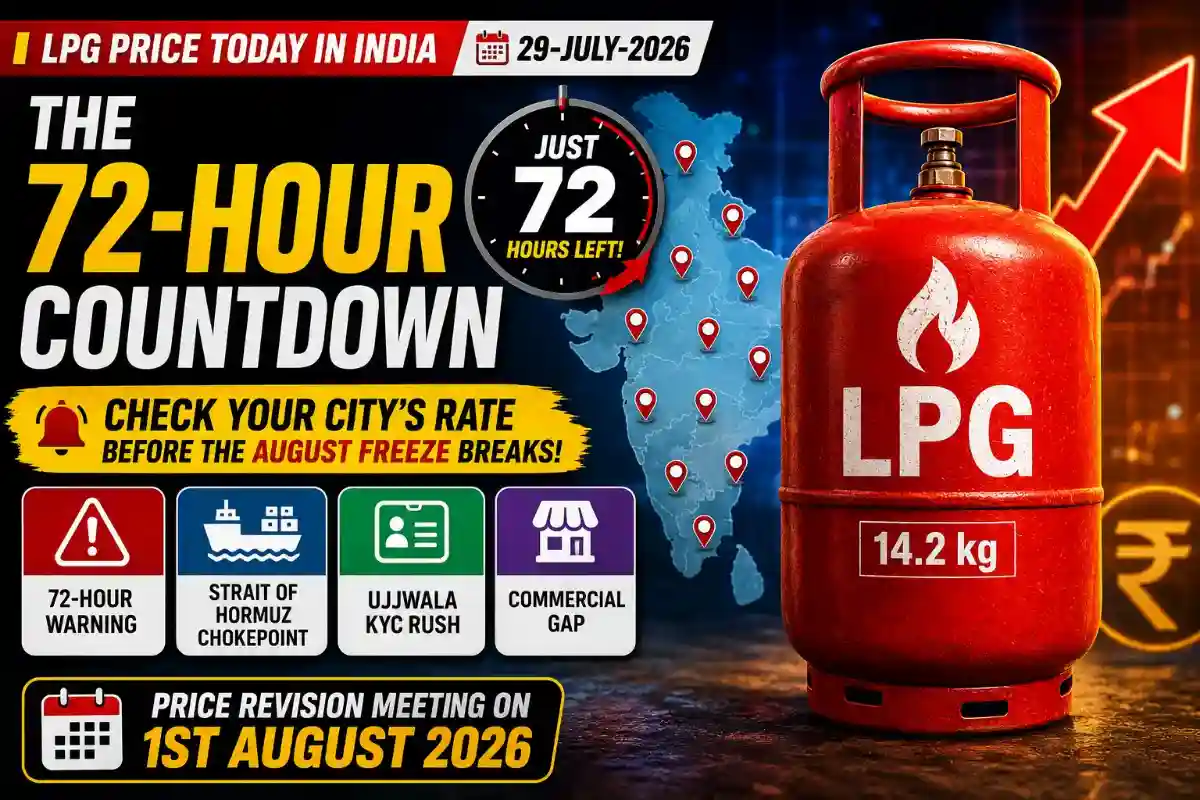
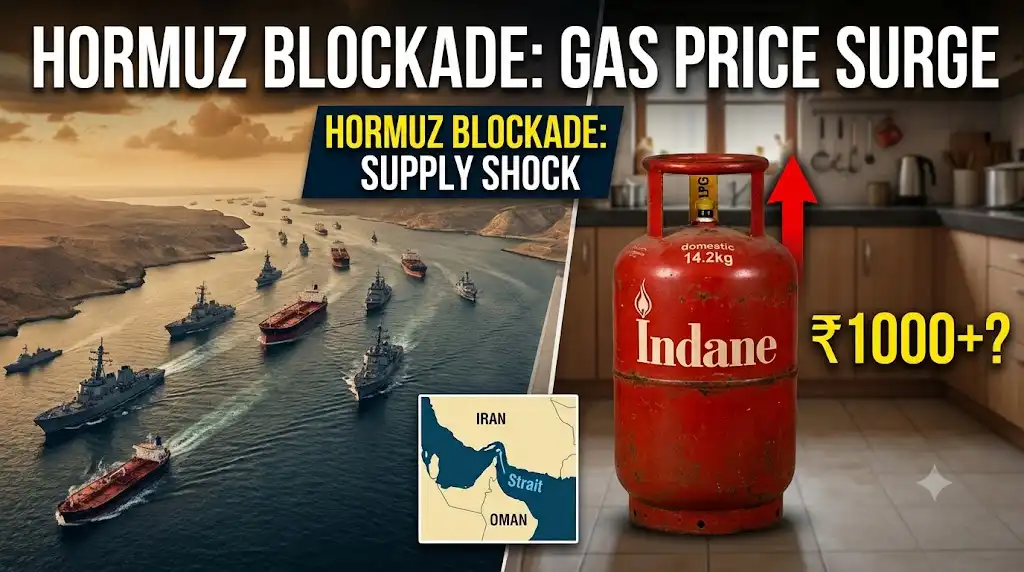
But for the millions of Indian households running their kitchens on the standard 14.2-kg red cylinder, the price hasn’t budged a single rupee. It remains frozen at ₹942 in the national capital, leaving the common man wondering: if global gas prices are falling, why is the relief only reaching the business sector?
The Crude Reality of LPG Pricing
To understand this disconnect, you have to look at how gas is priced in India. Commercial LPG is strictly market-linked. When international crude oil prices cool down—as they recently did following a temporary ceasefire extension between the US and Iran—those savings are immediately passed on to commercial consumers.
Domestic LPG, however, plays by a different set of political and economic rules.
During the volatile months earlier this year, domestic prices were kept artificially suppressed to protect consumers from the shock of the Middle East crisis. While commercial rates skyrocketed by roughly ₹993 in May alone, household cylinders were shielded, seeing only minor, delayed hikes of ₹60 in March and ₹29 in June.
The OMCs—Indian Oil, Bharat Petroleum, and Hindustan Petroleum—absorbed massive losses to keep household kitchens running. Now that international prices have dipped, the government is using the margin to let OMCs recover their previous under-recoveries rather than passing the discount to the consumer.
The Household Squeeze
While the math makes sense on a corporate balance sheet, it offers zero comfort to the average family.
Retail inflation is already biting. The cost of a standard home-cooked meal has crept up by 5% over the last month, driven largely by vegetable prices and sustained high fuel costs. For a middle-class family, a ₹942 cylinder represents a significant and inflexible chunk of the monthly budget.
Adding insult to injury, the much-touted 5-kg “Chhotu” Free Trade LPG (FTL) cylinder—often used by migrant workers and street vendors—did receive a modest ₹13 cut today, bringing it down to ₹808.50. Households using the standard 14.2-kg cylinder are the only demographic left entirely out in the cold.
What Happens Next?
If you are waiting for a sudden drop in your domestic gas bill, don’t hold your breath.
Industry executives note that unless global crude plummets significantly and stays there, domestic rates will likely remain frozen. Instead of an across-the-board price cut, future relief for households will likely arrive exclusively through targeted subsidies like the Ujjwala Yojana, which currently offers a ₹300 per cylinder subsidy for eligible bottom-of-the-pyramid beneficiaries.
Until then, the red cylinder in your kitchen will keep burning at a premium, while the blue cylinder at your favorite restaurant enjoys the discount.