حمّل القصص مجاناً وابدأ مغامرتك مع طفلك الآن!

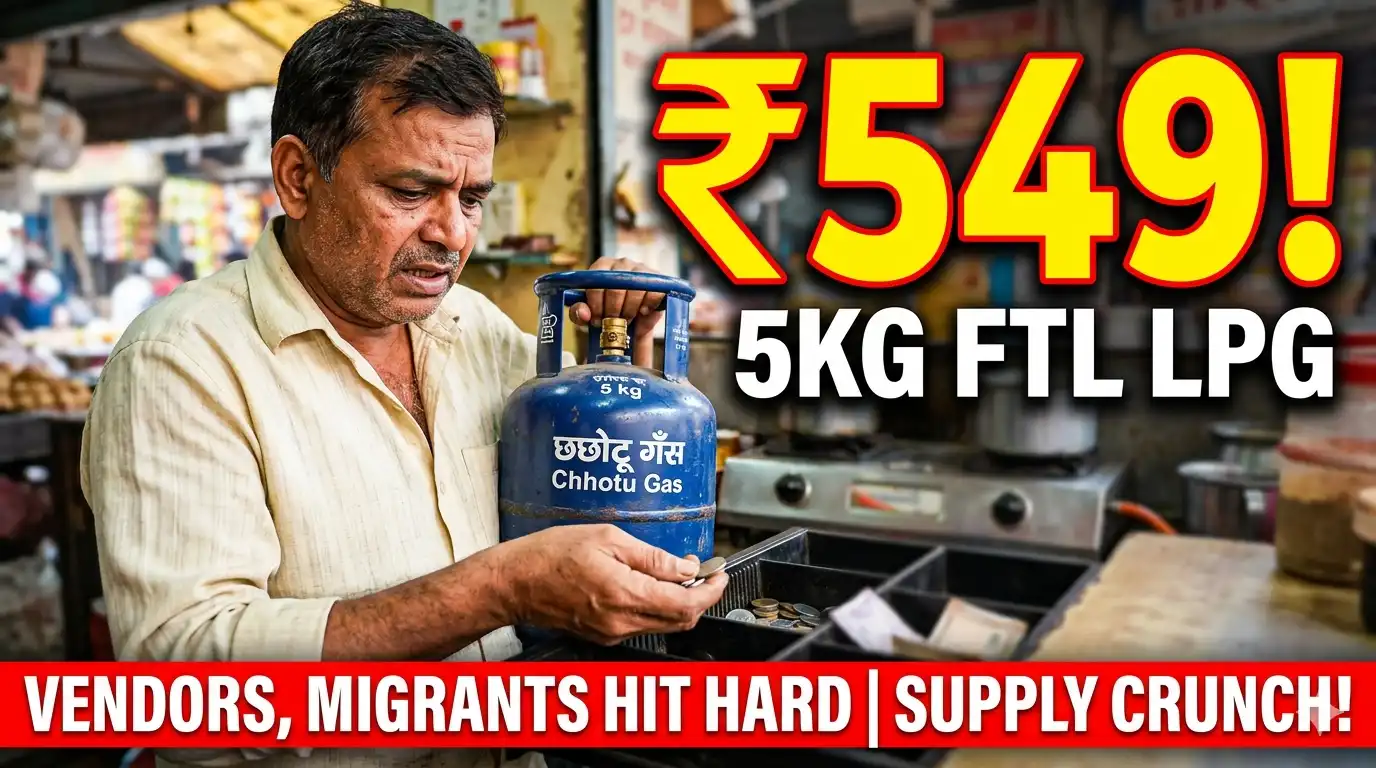
If you walk through the narrow lanes of Okhla in Delhi or the bustling chawls of Mumbai this morning, the conversation isn’t about the weather—it’s about the blue “Chhotu” cylinder.
In a move that has caught thousands of daily-wage earners off guard, the price of the 5-kg FTL (Free Trade LPG) cylinder has climbed to ₹549 in the national capital, following a sharp ₹51 hike this April.
While a fifty-rupee jump might seem manageable to some, for the migrant workers and street vendors who live day-to-day, it’s the tipping point in an already exhausting battle against inflation.
The “Chhotu” Crisis: Why Prices Are Climbing
The 5-kg cylinder was designed to be the “affordable” entry point for those without permanent address proofs or the budget for a full-sized tank.
However, with global energy markets in a tailspin due to the West Asia conflict, the cost of these compact refills is spiraling.
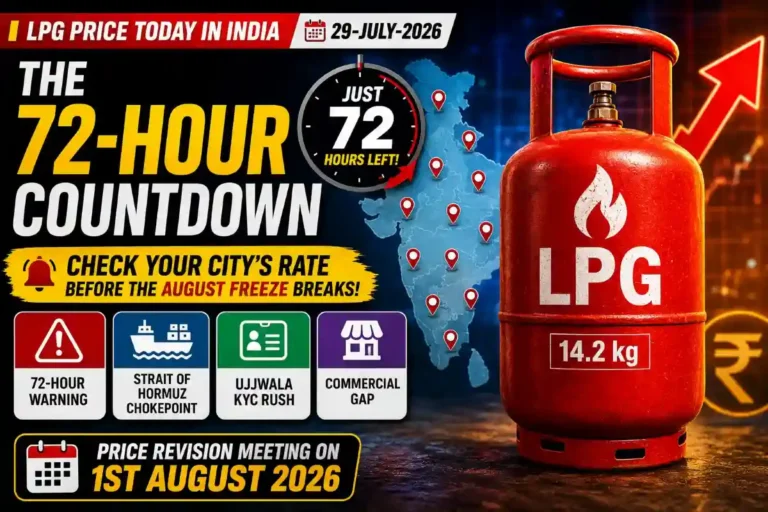
The Strait of Hormuz blockade has effectively choked nearly 88% of India’s LPG imports. With supply ships stranded and the Saudi Contract Price hitting record highs, the “small” hike on April 1st is just the tip of the iceberg.
City-Wise 5-kg FTL Rates (April 3, 2026)
The pain isn’t distributed equally. Depending on where you are, that same 5-kg refill could cost you significantly more:
- Delhi: ₹549.00
- Mumbai: ₹530.00
- Kolkata: ₹572.00
- Patna: ₹608.00
- Bengaluru: ₹556.50
The Human Cost: From Cooking Stoves to Train Stations
For many, the official price of ₹549 is a luxury they can’t even access. Because of the current LPG supply crunch, official agencies are struggling to keep up with demand.
This has birthed a predatory black market where a 5-kg cylinder is reportedly being sold for anywhere between ₹1,100 and ₹2,000.
“I spent three days going from agency to agency. They all say ‘No Stock,'” says Ramesh, a tea-stall owner in Noida. “I finally had to buy one from a local contact for ₹1,200 just to keep my stove burning. If I don’t make tea, I don’t eat.”
This desperation is triggering a quiet exodus. In cities like Mumbai and Surat, reports are emerging of migrant workers packing their bags.
With the cost of cooking gas doubling and local eateries raising their food prices to cover their own commercial gas hikes, staying in the city is no longer financially viable for many.
What Lies Ahead?
The government is currently pushing for a rapid rollout of PNG (Piped Natural Gas) connections to ease the pressure on cylinders, but for a migrant living in temporary housing, a permanent pipe isn’t an option.
As long as the geopolitical tensions in West Asia persist, the supply of these “life-line” cylinders will remain erratic.
For now, the street vendors and laborers of India are left waiting—not just for a lower price, but for the simple assurance that their next meal won’t cost them a day’s wage in fuel alone.
For real-time updates on gas rates in your specific city, keep checking lpgpricetoday.com.