حمّل القصص مجاناً وابدأ مغامرتك مع طفلك الآن!

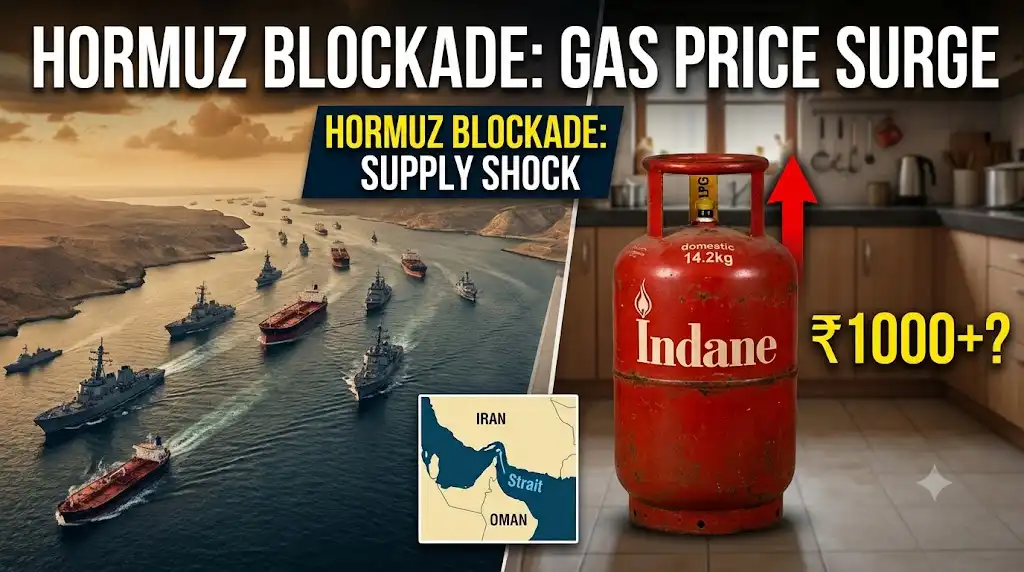
Look closely at the red cylinder in your kitchen. Its price isn’t just determined by politicians in New Delhi—it is currently being dictated by a naval blockade 2,500 kilometers away.
While Indian consumers have been eagerly waiting for domestic gas prices to drop, international oil markets have quietly entered a state of emergency. A fragile interim truce in the Middle East has completely collapsed, with the United States recently reinstating a strict naval blockade on Iranian ports. The immediate casualty? The Strait of Hormuz.

A Critical Chokepoint Freezes
This narrow waterway is the beating heart of global energy, historically facilitating the passage of roughly 20 percent of all global oil and natural gas exports. But as our custom LPG Price Tracker continuously ingests dynamic fuel data across global markets, a massive red flag appeared on the dashboard this week.
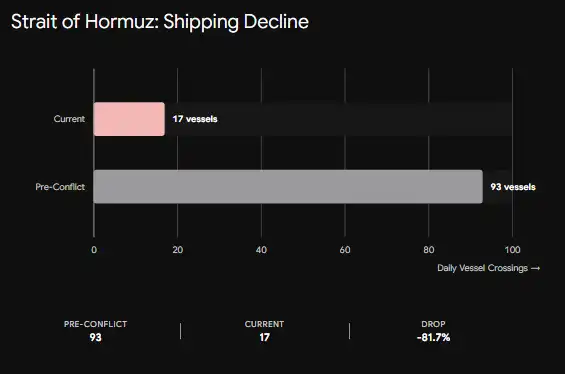
Vessel crossings through the Strait have plummeted from a stable 93 down to a mere 17 ships almost overnight. Multiple commercial ships navigating this route have recently come under direct attack, forcing the United Nations maritime agency to urgently condemn the strikes and warn of severe socioeconomic consequences.
The August Threat to Your Kitchen
Why does this matter for your monthly budget?
When shipping routes freeze, supply chains choke. We have been intensively monitoring these commercial economic shifts, and the math is unforgiving. Earlier this year, when the conflict first escalated, global energy prices surged by a staggering 24 percent. Now, with the blockade back in full force and major shipping fleets refusing to transit the area, the cost of importing crude oil and liquid petroleum gas into India is positioned to spike.
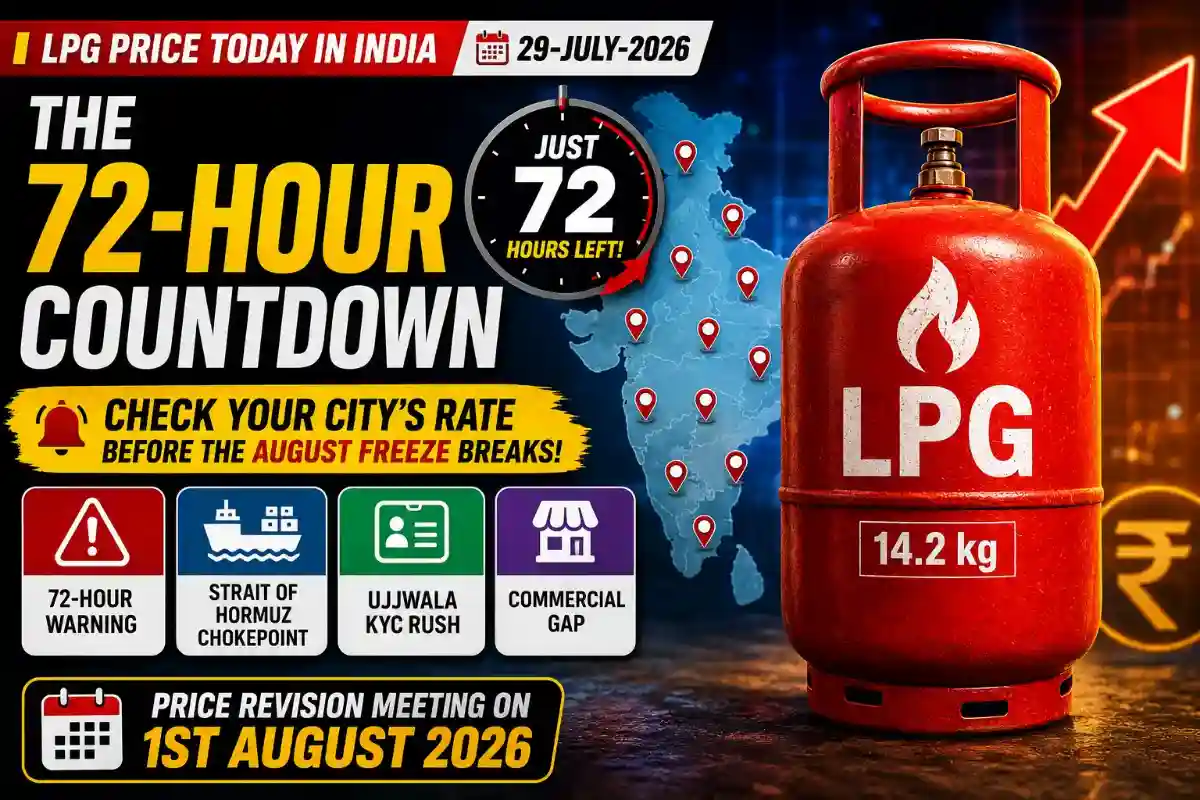
Currently, domestic 14.2-kg cylinders are frozen at ₹942. State-owned oil marketing companies have been absorbing massive logistical costs to keep that price artificially stable. However, if this bottleneck at the Strait of Hormuz continues to drive up international freight and insurance premiums over the next 14 days, that protective freeze will shatter.
The ₹183.50 commercial price cut that restaurants celebrated this July? It could be entirely erased by August. And for the common household, the delayed pain of this global supply shock is just waiting to land on your next gas bill.
To see the real-time visual impact of these maritime attacks on global supply chains, watch this breakdown of how ship traffic drops in Strait of Hormuz following the recent weekend strikes.