حمّل القصص مجاناً وابدأ مغامرتك مع طفلك الآن!

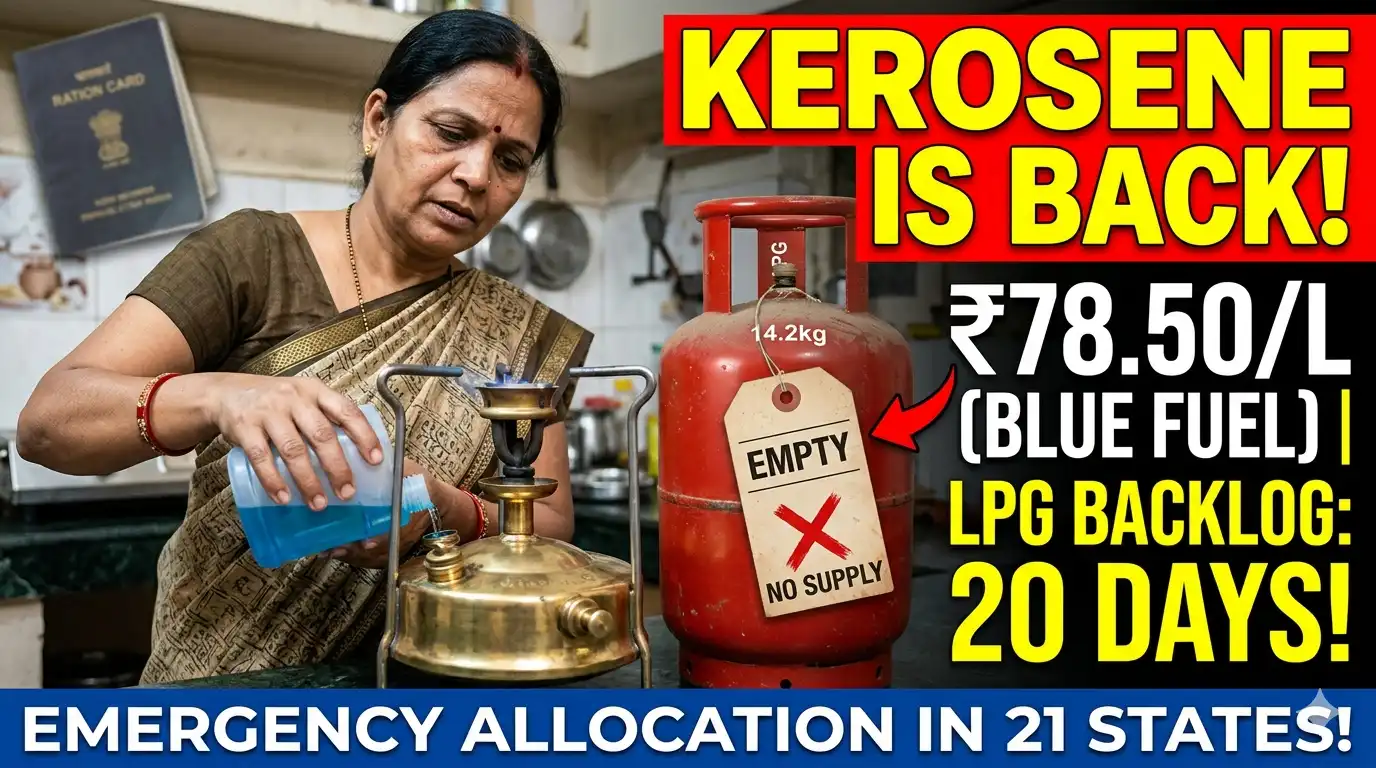
For years, the goal was simple: make India “Kerosene-free.” We celebrated as millions of households switched to clean-burning LPG. But in a startling turn of events this April 2026, the blue fuel is making a desperate return to the Public Distribution System (PDS).
Faced with a crippling LPG supply chain disruption and skyrocketing international prices, the Ministry of Petroleum has authorized an emergency allocation of PDS Kerosene to 21 states.
If you’ve noticed longer-than-usual wait times for your gas cylinder lately, this move is the government’s attempt to ensure that kitchens don’t go cold.
The Breaking Point: Why Kerosene?
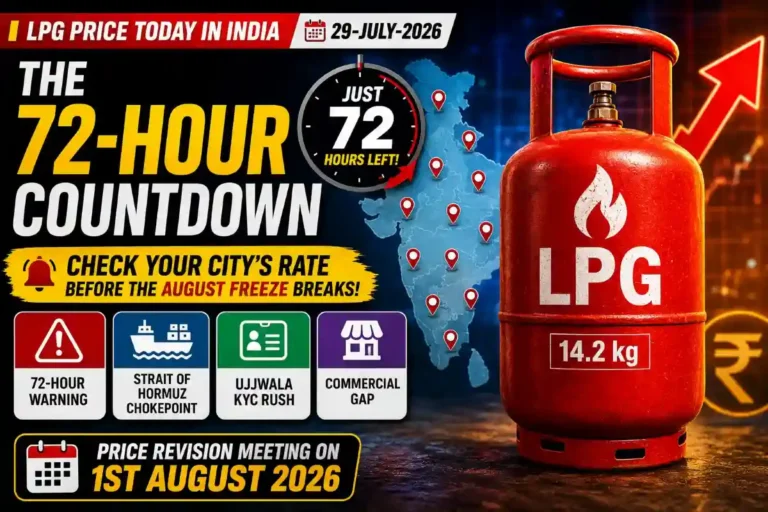
The ongoing conflict in West Asia has effectively turned the Strait of Hormuz into a bottleneck. With nearly 90% of India’s LPG imports currently stranded or diverted, the domestic delivery cycle has stretched from 48 hours to nearly 20 days in some regions.
While the government has kept domestic LPG prices capped at ₹913, the physical lack of “stock” has forced many rural and semi-urban families to look for alternatives.
By reintroducing kerosene, the government is providing a “bridge fuel” to prevent a full-scale energy crisis among low-income households.
The Numbers: LPG vs. PDS Kerosene (April 2026)
The emergency kerosene is being distributed at a “subsidized emergency rate,” though it remains significantly higher than prices seen a decade ago.
| Feature | Domestic LPG (14.2kg) | PDS Kerosene (Per Litre) |
| Current Price (Delhi) | ₹913.00 | ₹78.50 |
| Availability | 15-20 Day Backlog | Immediate (via Ration Shops) |
| Primary Use | Modern Kitchens | Rural Cooking / Lighting |
| Subsidy Status | High (₹380/cylinder loss) | Emergency Govt Funded |
5 Things You Need to Know About the Emergency Allocation
- Priority States: The allocation is being prioritized for states with the highest LPG backlogs, including Bihar, Uttar Pradesh, West Bengal, Odisha, and Kerala.
- Target Audience: The fuel is strictly intended for NFSA (National Food Security Act) cardholders and Ujjwala beneficiaries who are unable to get timely LPG refills.
- Limited Quota: Most households are being capped at 3 to 5 litres per month to ensure the limited stock reaches the maximum number of people.
- The “Kerosene-Free” Pause: Cities like Delhi and Chandigarh, which were officially declared kerosene-free years ago, are seeing a temporary suspension of that status to allow for emergency depots.
- Safety Warning: Authorities are urging citizens not to use kerosene in stoves designed strictly for LPG, as it poses a significant fire hazard.
A Temporary Fix for a Global Problem
Government officials have been quick to clarify that this is not a permanent policy shift. “We are in an extraordinary situation where global supply chains have snapped,” a Ministry spokesperson stated. “Kerosene is a temporary safety net until the maritime routes in the Persian Gulf are cleared.”
For the average middle-class household, the “comeback” of kerosene is a stark reminder of just how fragile our energy security can be when global tensions flare up.
While your gas agency might still be telling you to “wait a few more days,” for millions of others, the humble kerosene stove is once again the only thing keeping the lights—and the burners—on.
Stay Informed: For live tracking of LPG delivery status and daily price updates in your city, keep visiting lpgpricetoday.com.