حمّل القصص مجاناً وابدأ مغامرتك مع طفلك الآن!

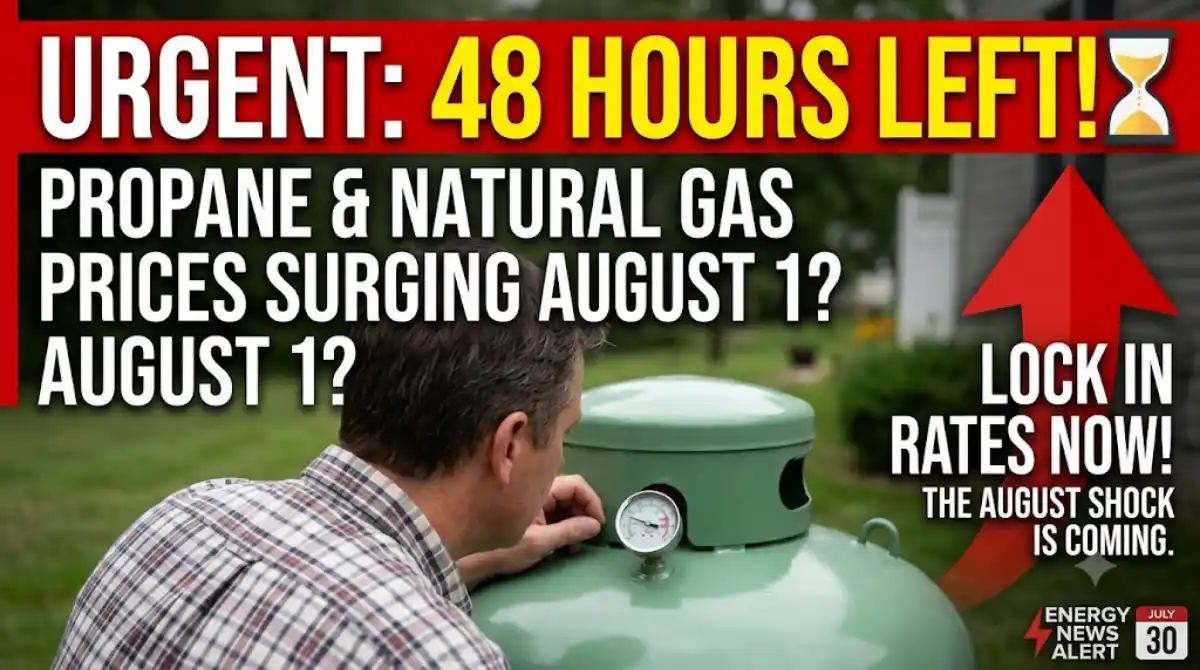
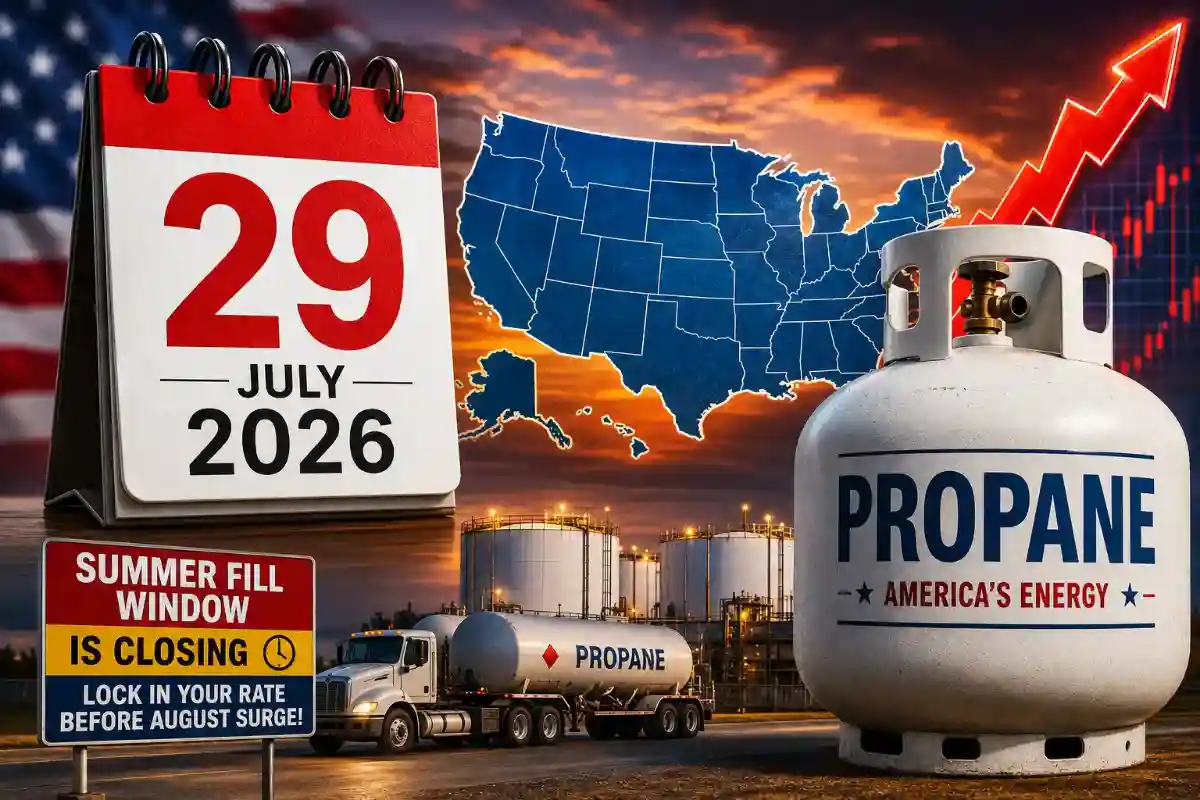
Global shipping gridlocks are draining Gulf Coast reserves, threatening to shatter the traditional “summer fill” window just days before August pricing resets.
Check your tank gauge. It is July 30th, and the cheapest window of the year to lock in U.S. residential propane and natural gas rates is rapidly collapsing.
What is traditionally a quiet period for the domestic energy market has been hijacked by a geopolitical crisis 7,000 miles away. As you read this, the national average for residential propane sits near $2.87 per gallon, having crept up in just the last 24 hours. Natural Gas futures at the Henry Hub are mirroring this anxiety, climbing 4.2% on heatwave demand and extreme export pressure.
But if historical data, futures markets, and current shipping logs are any indication, August 1st is going to bring a rude awakening to the American consumer.
🔴 IN BRIEF: What is Driving the Market Today
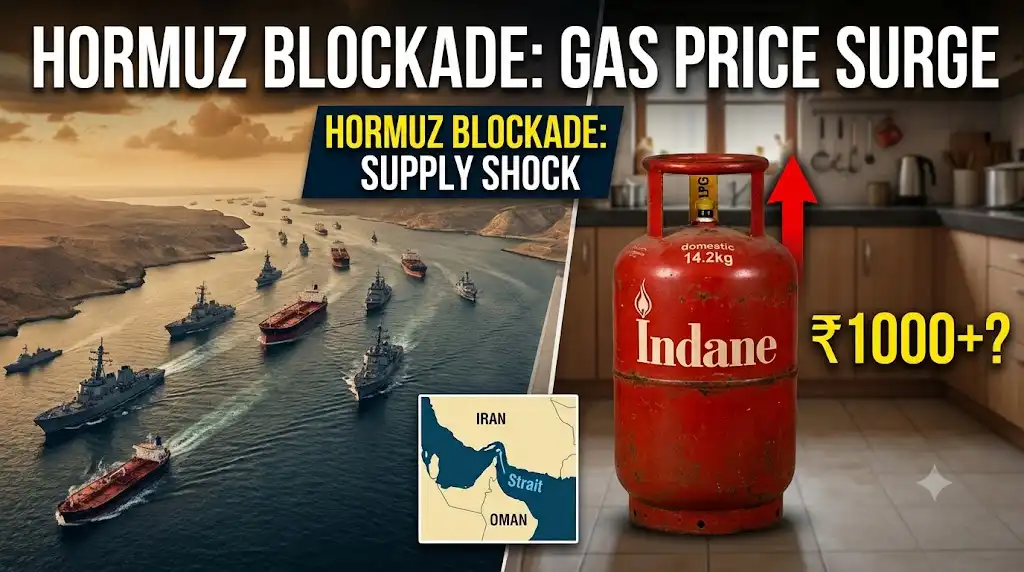
- The Export Drain: With Middle Eastern shipping lanes paralyzed—Strait of Hormuz vessel traffic has plummeted 81.7%—European and Asian markets are aggressively outbidding domestic U.S. buyers for Gulf Coast propane and Liquefied Natural Gas (LNG).
- Winter Pre-Buys Suspended: Several major regional suppliers in the Northeast and Midwest have quietly halted “fixed-price” winter contracts, fearing wholesale logistics costs will spiral by September.
- The Crop-Drying Crunch: Agricultural states are on high alert. A wetter-than-usual summer means farmers will need record amounts of propane to dry corn this fall, setting up a brutal supply war between agricultural and residential buyers.
- The Mont Belvieu Disconnect: Wholesale spot prices at the Texas storage hub remain relatively low ($1.25–$1.35/gal), but retail markups are widening aggressively as distributors bake in future freight and transportation risks.

The Anatomy of an August Shock
Why does the end of July matter so much? Because the United States is currently the world’s swing producer. We are exporting our propane and LNG inventory at a breakneck pace. The Very Large Gas Carriers (VLGCs) leaving the Gulf Coast today are carrying the fuel meant to be stored for America’s winter heating.
When August arrives, distributors nationwide reset their monthly pricing algorithms. If they see domestic tanks running light while agricultural demands surge, basic economics takes over: the “geopolitical premium” currently hitting wholesale markets will be passed directly to the homeowner.
State-by-State Propane Price Matrix (As of July 30, 2026)
Propane pricing is wildly hyper-local. Your rate depends heavily on your proximity to the major pipelines and the logistics required to haul fuel up mountains or into the Northeast.
Data reflects USD per Gallon. Residential prices reflect average consumer fill-ups, while Commercial rates reflect bulk/wholesale regional rack averages.
| State | Capital | Residential (/Gal)∣Commercial(/Gal) |
| Alabama | Montgomery | $2.70 |
| Alaska | Juneau | $4.89 |
| Arizona | Phoenix | $2.82 |
| Arkansas | Little Rock | $2.58 |
| California | Sacramento | $3.68 |
| Colorado | Denver | $2.78 |
| Connecticut | Hartford | $3.88 |
| Delaware | Dover | $3.80 |
| Florida | Tallahassee | $3.12 |
| Georgia | Atlanta | $3.08 |
| Hawaii | Honolulu | $5.15 |
| Idaho | Boise | $2.85 |
| Illinois | Springfield | $2.38 |
| Indiana | Indianapolis | $2.40 |
| Iowa | Des Moines | $2.28 |
| Kansas | Topeka | $2.22 |
| Kentucky | Frankfort | $2.60 |
| Louisiana | Baton Rouge | $2.48 |
| Maine | Augusta | $3.95 |
| Maryland | Annapolis | $3.68 |
| Massachusetts | Boston | $3.90 |
| Michigan | Lansing | $2.45 |
| Minnesota | St. Paul | $2.32 |
| Mississippi | Jackson | $2.52 |
| Missouri | Jefferson City | $2.30 |
| Montana | Helena | $2.88 |
| Nebraska | Lincoln | $2.28 |
| Nevada | Carson City | $3.48 |
| New Hampshire | Concord | $3.88 |
| New Jersey | Trenton | $3.78 |
| New Mexico | Santa Fe | $3.12 |
| New York | Albany | $3.82 |
| North Carolina | Raleigh | $2.98 |
| North Dakota | Bismarck | $2.42 |
| Ohio | Columbus | $2.48 |
| Oklahoma | Oklahoma City | $2.38 |
| Oregon | Salem | $3.42 |
| Pennsylvania | Harrisburg | $3.72 |
| Rhode Island | Providence | $3.90 |
| South Carolina | Columbia | $3.00 |
| South Dakota | Pierre | $2.45 |
| Tennessee | Nashville | $2.88 |
| Texas | Austin | $2.42 |
| Utah | Salt Lake City | $3.18 |
| Vermont | Montpelier | $3.90 |
| Virginia | Richmond | $2.90 |
| Washington | Olympia | $3.58 |
| West Virginia | Charleston | $3.12 |
| Wisconsin | Madison | $2.35 |
| Wyoming | Cheyenne | $2.68 |
(Note: Washington D.C. averages mirror surrounding Maryland/Virginia retail rates at approx. $3.68/gal).
The Bottom Line for Consumers
If you live in a hub state like Texas or Kansas, your proximity to refineries insulates you slightly. But if you reside in the Northeast (Maine, Vermont) or the Pacific coast, you are already paying a steep “geography tax” that is only going to widen.
You have exactly 48 hours until July ends. If your residential tank is sitting below 40%, do not wait for the autumn leaves to change. Call your local co-op or supplier today. Demand to lock in your “summer fill” rate, and ask explicitly if they are still honoring fixed-price winter pre-buy contracts.
By Monday morning, the market resets—and the bill for the global supply chain crisis will land squarely on your front porch.